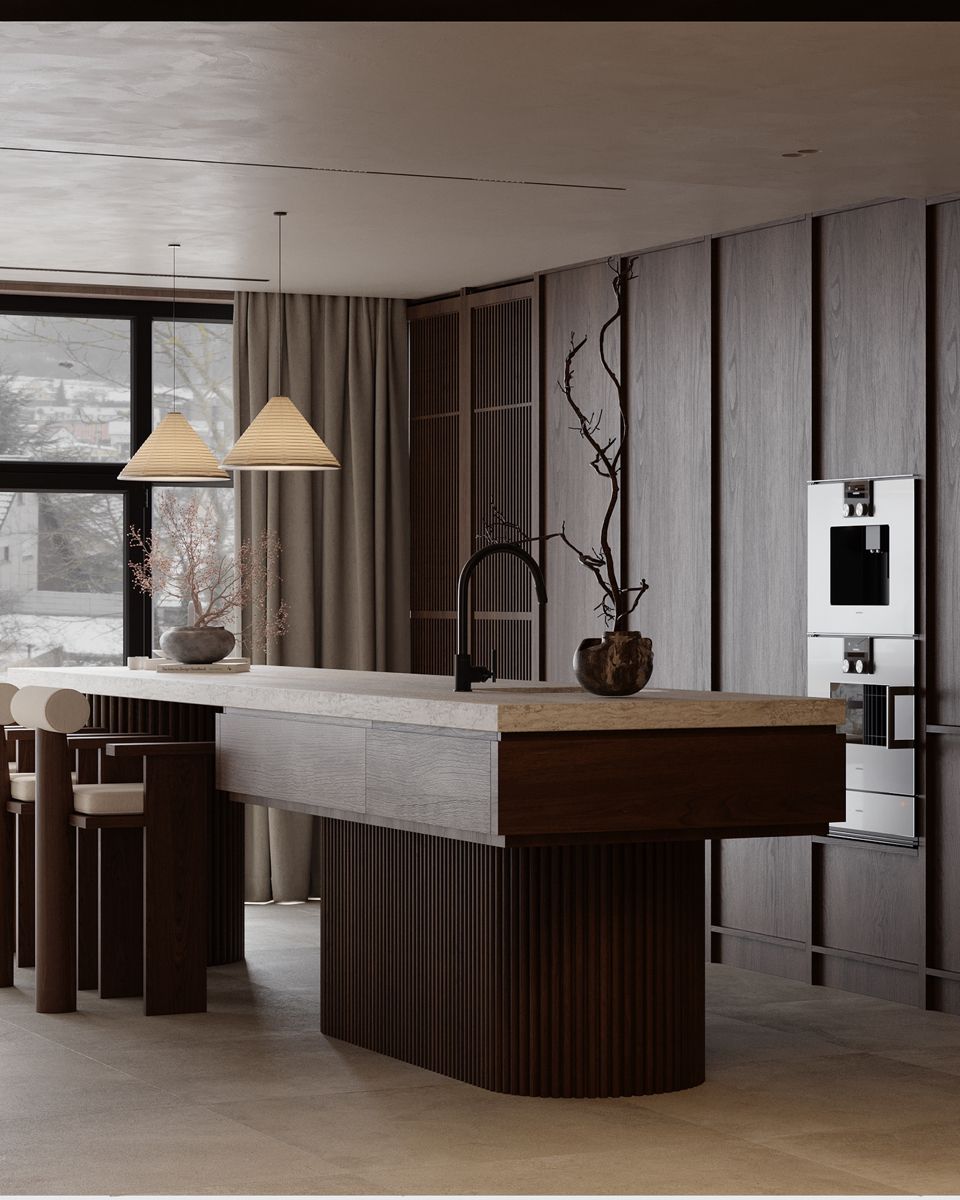
Rounded feature islands
Use the curve to shape the approach to the island, then resolve the countertop, end panel and toe kick together. Keep working storage and seating needs visible in plan.
Explore island planningExplore spaces, materials and the knowledge library.
Shape and surface used deliberately. Compare a rounded island with a textured wall or a carefully resolved edge, and let quieter cabinetry give the feature room to be seen.
These are concrete starting points for the collection. Follow each product link for room-specific structures and planning, rather than treating a collection as one fixed model.
Use the curve to shape the approach to the island, then resolve the countertop, end panel and toe kick together. Keep working storage and seating needs visible in plan.
Explore island planning
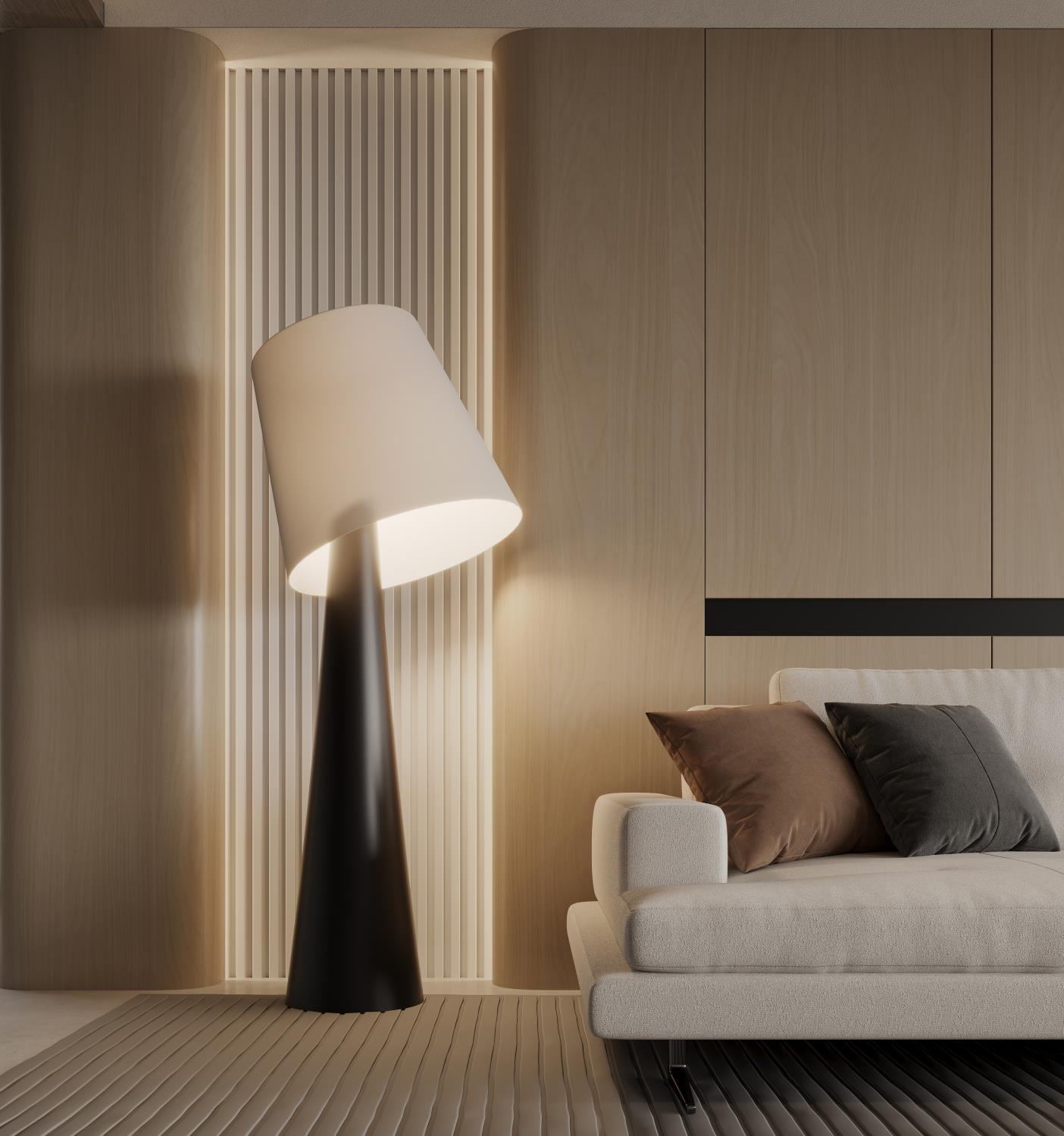
A repeated linear texture can give a quieter elevation a tactile focus. Review groove scale, lighting and the ends of the pattern before repeating it across a wall.
Explore textured wallsSculpt brings changes in outline and changes in surface into the same design conversation. A curved end softens the silhouette; a grooved surface adds rhythm. A fixed curved panel, opening curved door and textured drawer front remain different construction choices.

Use Sculpt for a focal island, vanity or selected feature. Let Linear or Natural organize the surrounding storage so the shaped element remains legible.
Compare the door outline, material character and focal details. Keep one main language, then coordinate the supporting elements.
Warm contemporary Contemporary luxury
A style describes the wider room; the collection describes the cabinetry. Develop color, lighting and furniture alongside the cabinet details.
No. A stationary shaped end and an opening curved front are different assemblies. Confirm the construction, hardware and working clearances for the chosen form.
The images are design references for comparing visual directions and product forms. Materials, construction, dimensions, hardware and supply scope are confirmed for the individual project.
Send the rooms in scope, plans or elevations, project destination and the references you prefer. Identify which product forms, surfaces and details should be compared.
Your collection choice will be carried into an editable brief. Add the storage needs, materials and drawings that make the reference specific to your project.
Design references reviewed October 25, 2026. Confirm the current model and specification for each item before ordering.
Analytics cookiesWe would like to measure how this site is used (pages, forms, campaigns) with PostHog. Essential cookies are always on; analytics cookies are optional.