A cabinetry range for your studio
and your projects.
Build a range your customers can understand: a small set of door families, well-chosen finishes and practical storage combinations. Add project-specific sizes and details through a documented specification rather than starting every quotation from a blank page.
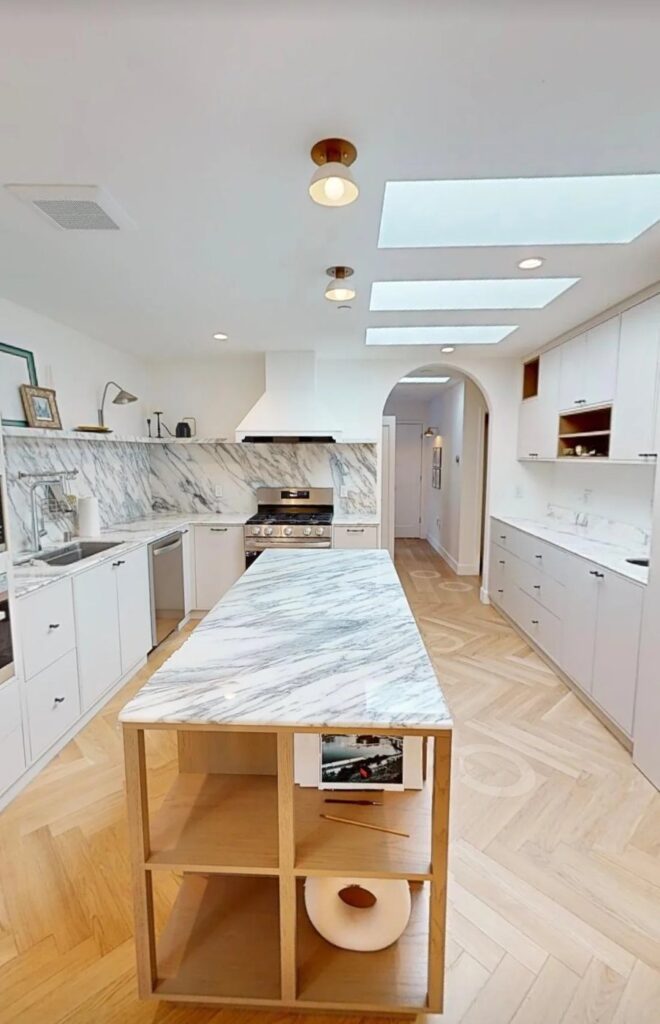
Studios that sell from a defined range.
For businesses that specify cabinetry, show samples and manage customer projects. Use the range to organize a showroom conversation, then develop the individual room schedule.
Specify and sell from a defined range, with drawings reviewed per project.
Need samples, display units and specifications that repeat reliably.
Run projects and repeat orders against approved configuration versions.
Build the range around clear choices.
Separate the visual collection from the actual component specification. These resources help structure that conversation.

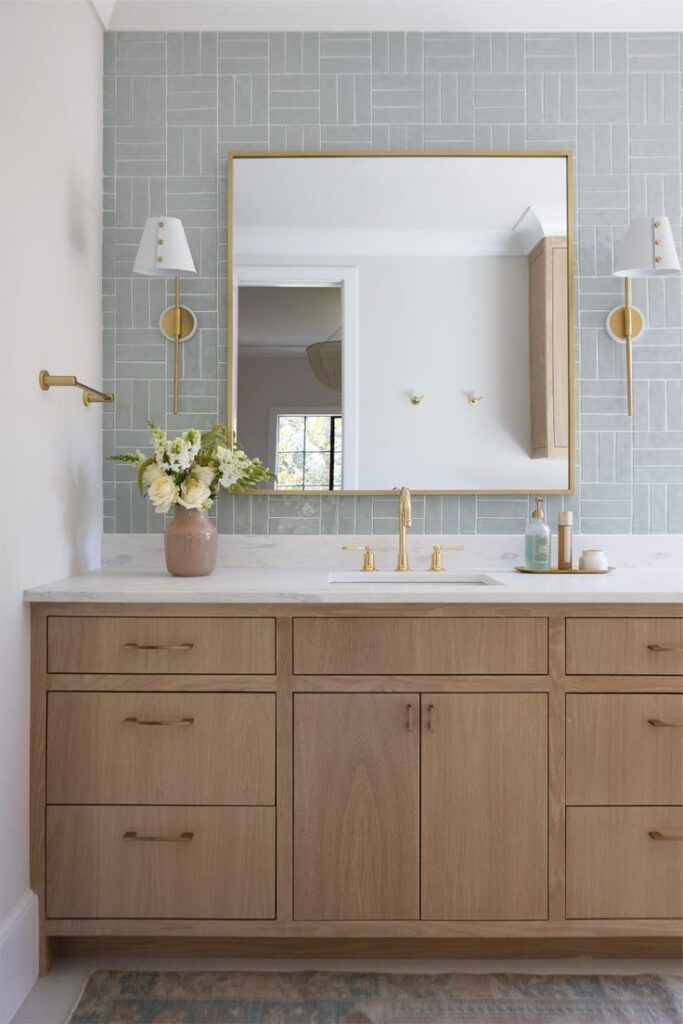
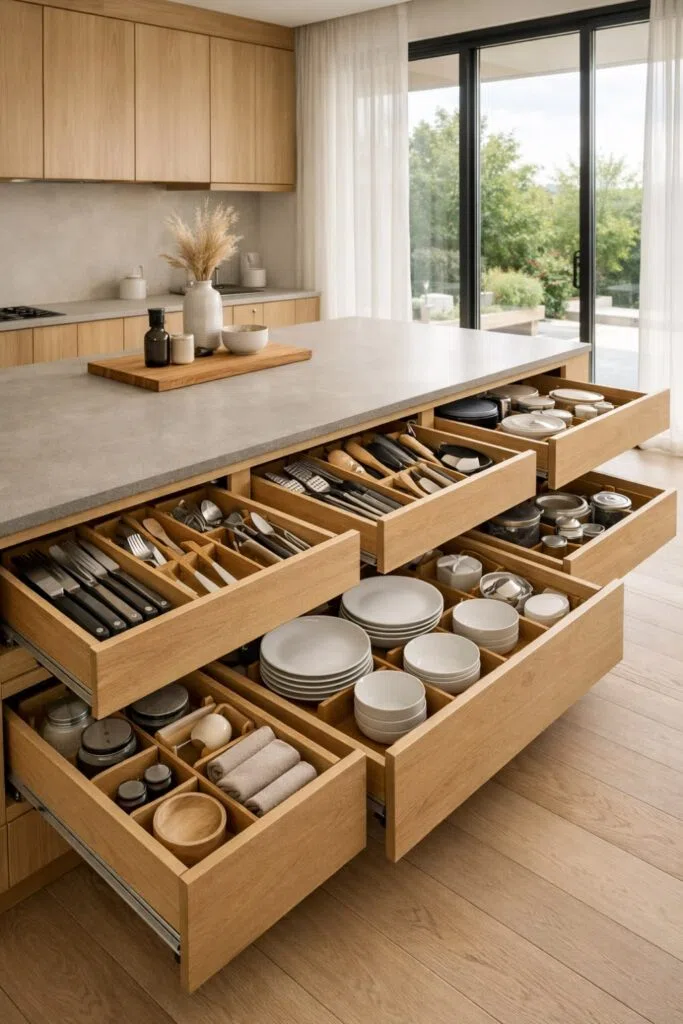
Door samples, color boards, display units.
Choose samples that show the decisions a customer needs to make: profile, edge, color, sheen and grain. Record the sample reference with the proposed cabinet construction.
- 01Door samplesActual-size section of a door family in a finish, with references.
- 02Color boardsFinish families on one board, each with a sample reference.
- 03Display unitsSpecification for showroom units; scope and conditions to confirm.
From the range map to an approved version.
Select the door families and finish directions relevant to the customer brief.
Record the selected door, finish, cabinet core, hardware and interior accessories in one component schedule.
Site dimensions and interfaces checked; revisions logged in one register.
The version is what gets reordered, not a description.
Reorder a version, not a description.
- Range reference
- Keep the approved door geometry, finish code, cabinet construction and hardware model together.
- Project changes
- Record size changes, end panels, fillers and appliance interfaces separately from the standard range choices.
- Repeat orders
- Reference the original specification and review any material or hardware substitution before release.
- Finish continuity
- Compare a new production sample with the retained reference, especially when adding cabinetry to an existing room.
Commercial details belong in a written proposal.
Share the destination market, expected product mix and project schedule. The proposal should define the following items for the specific relationship.
Selected items, quantities, sample charges, shipping and any display scope.
Order quantities, currency, payment stages and the approvals needed before production.
Destination, agreed delivery term, packing format and schedule for the specific order.
Written warranty scope, issue-reporting route and arrangements for spare or replacement parts.
Tell us how your business works.
Four things help us reply with the right material: region, business type, the categories you focus on and where your projects are.
- Region or country you serve
- Business type and how you sell
- Categories of interest
- Project stage, if there is a live project
- Project clients
- Are not routed into dealer terms; use the project brief instead.
- Terms
- Confirmed in writing after the first conversation.