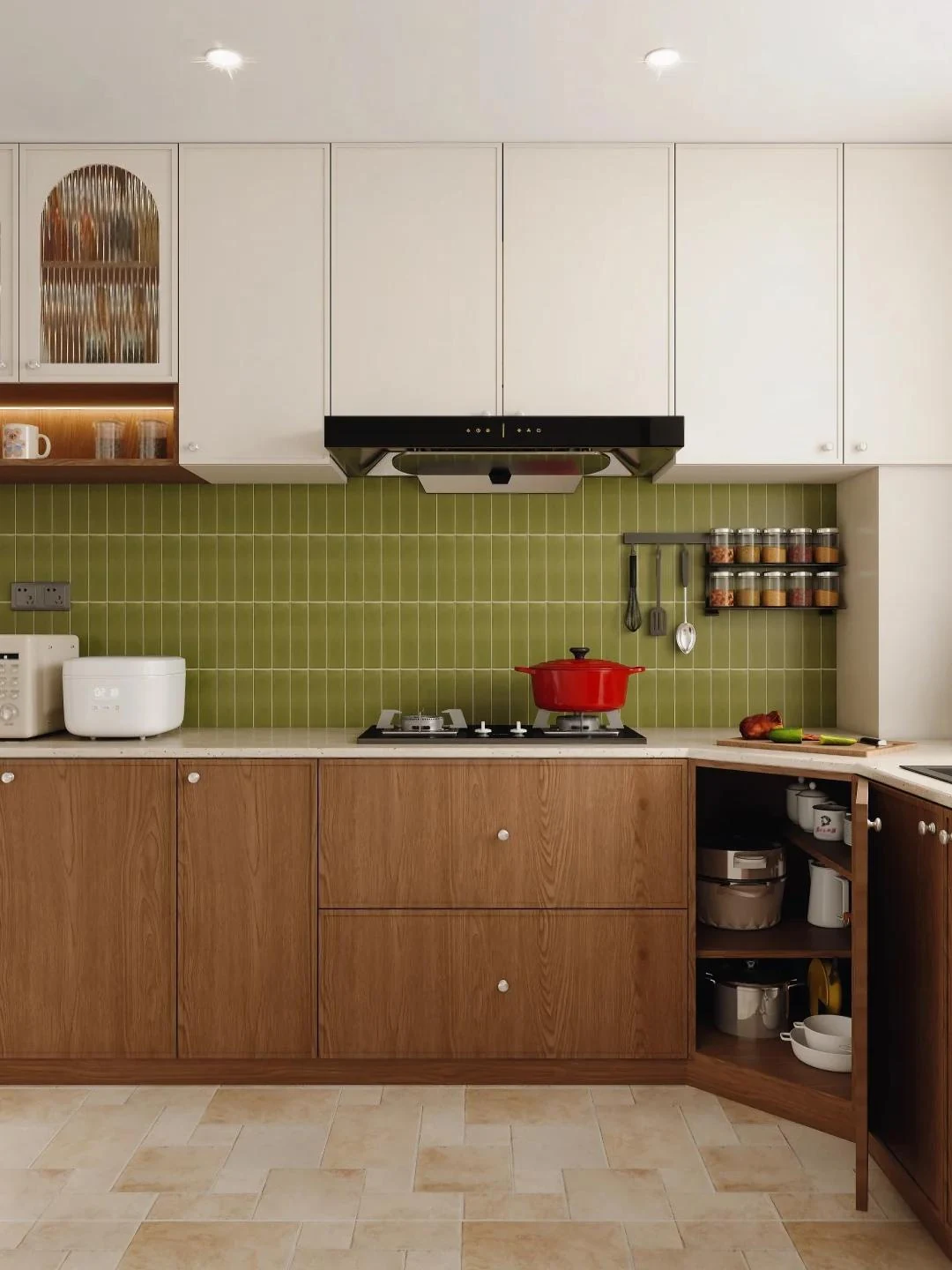
Start with the movement
List how every front should open: a conventional handle, a recessed pull, a channel profile, a push latch or an assisted mechanism. Check the reach and operating space as well as the appearance. A handleless design still needs a deliberate opening method.
The hardware schedule should distinguish a soft-close hinge from a push-to-open solution, and a full-extension slide from a partial-extension slide. Matching the movement to the task is more useful than writing “premium hardware” across the whole order.

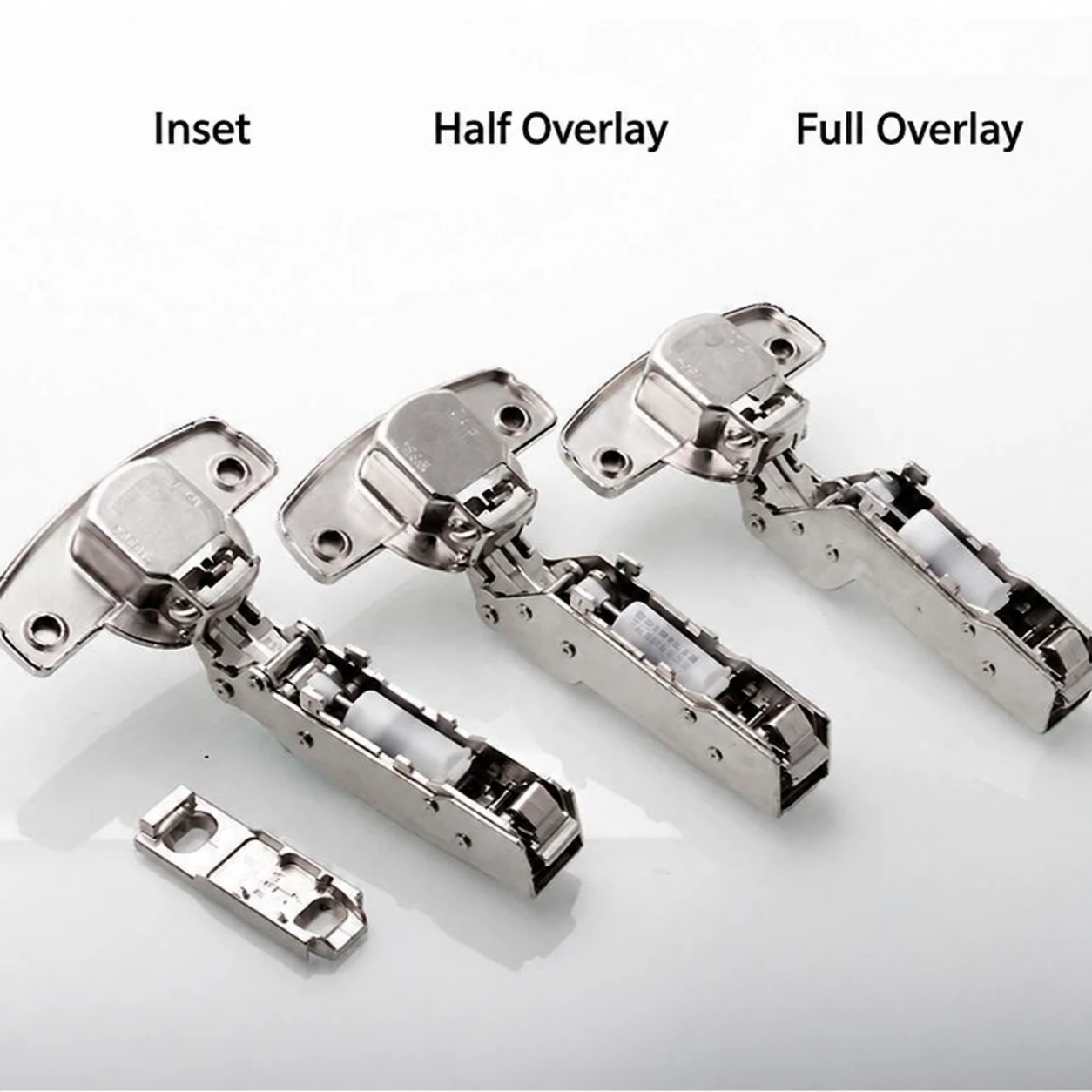
Specify hinges as a system
| Decision | Record on the schedule |
|---|---|
| Door geometry | Overlay or inset, door thickness, drilling pattern and edge clearance. |
| Opening angle | The exact model and its opening envelope beside walls, appliances and internal drawers. |
| Door weight | Dimensions, material, weight and the manufacturer’s hinge-count guidance. |
| Mounting | Matching hinge, mounting plate, fixing and adjustment arrangement. |
| Closing action | Integrated damping, separate damping or the specified push mechanism. |
Do not choose the hinge quantity from a door-height rule alone. A tall glass front, a framed timber door and a light slab of the same size have different weights and fixing conditions. Use the fitting manufacturer’s selection guidance.
Choose slides from the actual drawer
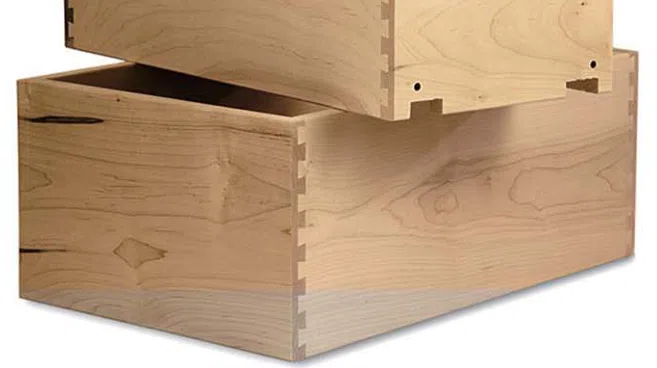
Measure the internal cabinet width and depth, select the drawer box construction and estimate the loaded drawer. Include the box and front in the load calculation where the manufacturer’s rating requires it.
For a published example, Blum MOVENTO includes 40 kg and 70 kg load classes; the exact slide, length and configuration still need checking. Hettich’s drawer and slide families also differ by model. A brand name alone is not a load rating.
- Confirm full or partial extension.
- Check the nominal length against usable cabinet depth.
- Identify soft-close, push-to-open and any required synchronization components.
- Review adjustment access and spare-part identification.

Corners, pull-outs and lifts need an envelope
A corner fitting needs more than a nominal cabinet width. Its door opening, internal obstructions, tray movement and neighboring handles all affect whether it works. A tall pull-out similarly needs an agreed usable load and a stable mounting arrangement.
For lift-up wall units, review the front’s size and weight, the ceiling above it and the user’s reach. Put lighting, transformer and cable routes outside the moving parts. A simple elevation with the fitting open often reveals the conflict immediately.


Compare brand and series together
Blum, Hettich, DTC and other manufacturers offer multiple product families. Compare the proposed series, fittings, quantities, finish and local service route. Price comparisons should use the same cabinet schedule and movement requirements.
No brand is declared as Arcaya’s default on this page. The agreed project quotation should identify the proposed brand and series, and any alternative should be approved before production. Read the hardware comparison article for a practical selection method.
Before you approve the order
- A fitting reference for every hinge, slide, lift and pull-out.
- Matching plates, connectors and accessories included.
- Open-position clearances checked in the drawings.
- A plan for adjustment, replacement parts and local servicing.
- Any agreed spare fittings and instructions listed in the delivery scope.
Reference basis: manufacturer product information from Blum and Hettich. Performance depends on the selected model, installation and use; verify the final data sheet for the proposed fitting.