Plywood vs. MDF Cabinets.
The useful comparison starts with the part being made. A cabinet box, a painted door and a long shelf ask different things of a panel, even when they belong to the same kitchen.

Choose a panel for a component.
MDF is a useful candidate for smooth painted fronts and routed profiles because of its fine, consistent fiber structure. Veneer-core plywood is a different construction, formed from bonded wood layers. For cabinet boxes and shelves, compare the specified panel with its thickness, supports and connections. A good proposal may use different materials for different parts. The practical question is whether each selection suits its job, appearance and exposure. This article focuses on comparing proposals; the cabinet substrate guide explains the broader core, face and edge specification.
“Plywood” and “MDF” are starting descriptions.
Plywood products vary in veneer construction, faces and intended use. MDF products vary in formulation and application. The boundary can also be less simple than the sales label suggests: Columbia Forest Products’ combination-core panels incorporate both veneer layers and MDF crossbands. Request the actual product name and core description rather than inferring everything from the decorative face. A walnut-looking panel might have a natural veneer or a reproduced pattern; that visible appearance does not identify the core beneath it.

Specify the component before naming its panel.
These views show why “a plywood cabinet” or “an MDF cabinet” can be an incomplete description. The decorative front, drawer sides, bottom, surrounding rails and main enclosure are separate parts. A valid quotation can assign a different material to each part. Use the photographs to identify the components, then use the selected product specification or a section sample to establish the core.
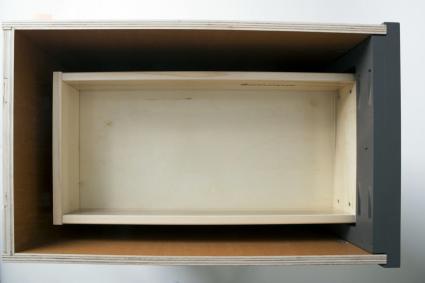

Supplier product photographs / Actual PDF page 3. No substrate is inferred from a closed or coated surface. These images complement the article’s material comparison rather than replacing a cut-face sample.
Where the questions differ.
The table identifies useful review points. It does not transfer a particular manufacturer’s strength, weight or moisture rating to every panel in the same family.
Check face quality and the preparation needed for the intended finish.
Review the smooth face and any routed detail with the coating system.
Specify the decorative face separately from the inner veneer layers.
A decorative veneer or other face can be applied; the core itself has no natural grain pattern.
Decide whether to show the layered edge or cover it with a defined treatment.
Specify how the edge is sealed, coated or covered for the intended design.
Review the exact panel, span, supports and fixing details.
Review the exact panel, span, supports and fixing details.
Identify the panel’s intended conditions and complete cabinet detailing.
Distinguish the selected standard, moisture-resistant or other specialist product.
A painted door needs a representative sample.
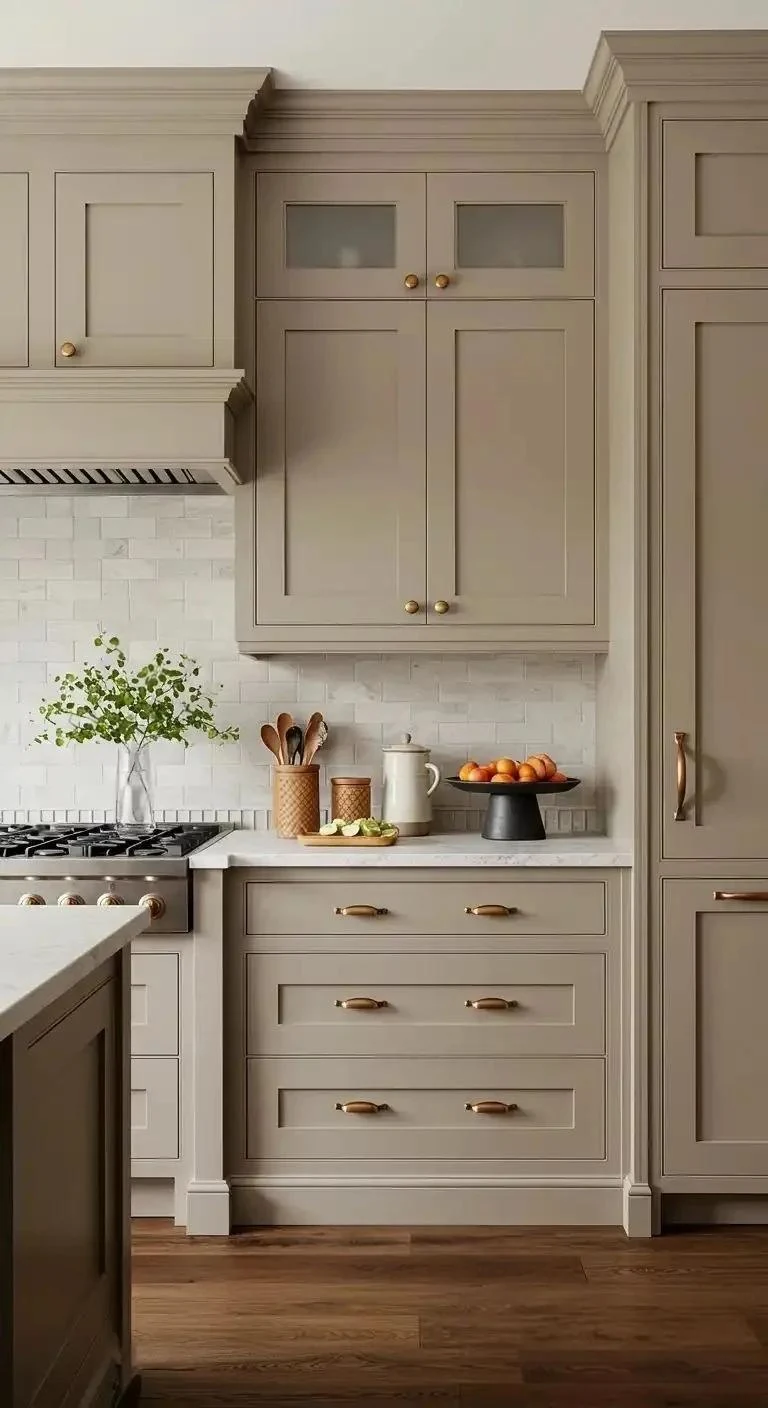
Unilin describes MDF as a fine-fiber board used for painting, milling and decorative finishes. That makes it relevant to a painted-front discussion, but does not approve every door size or profile. Review a sample with the actual recess, edge or frame detail, together with the proposed coating. For a veneered front, record species, grain and matching independently of the core. Where a plywood edge is intentionally exposed, inspect that edge as a finished design feature. A face-only swatch will not answer those questions.
Read the exact product’s application limits.
A sink-base brief should describe foreseeable splashes, plumbing access, cleaning and the treatment of cut-outs. Avoid treating either “plywood” or “moisture-resistant MDF” as a promise that the cabinet can remain wet. MEDITE explicitly distinguishes its MR board from waterproof material and requires appropriate sealing and coating for humid interiors. That is guidance for the named product, not proof about an unspecified substitute. Request the selected panel’s current instructions and review the faces, edges, joints and service penetrations as one assembly.

Fixings and spans need their own answers.
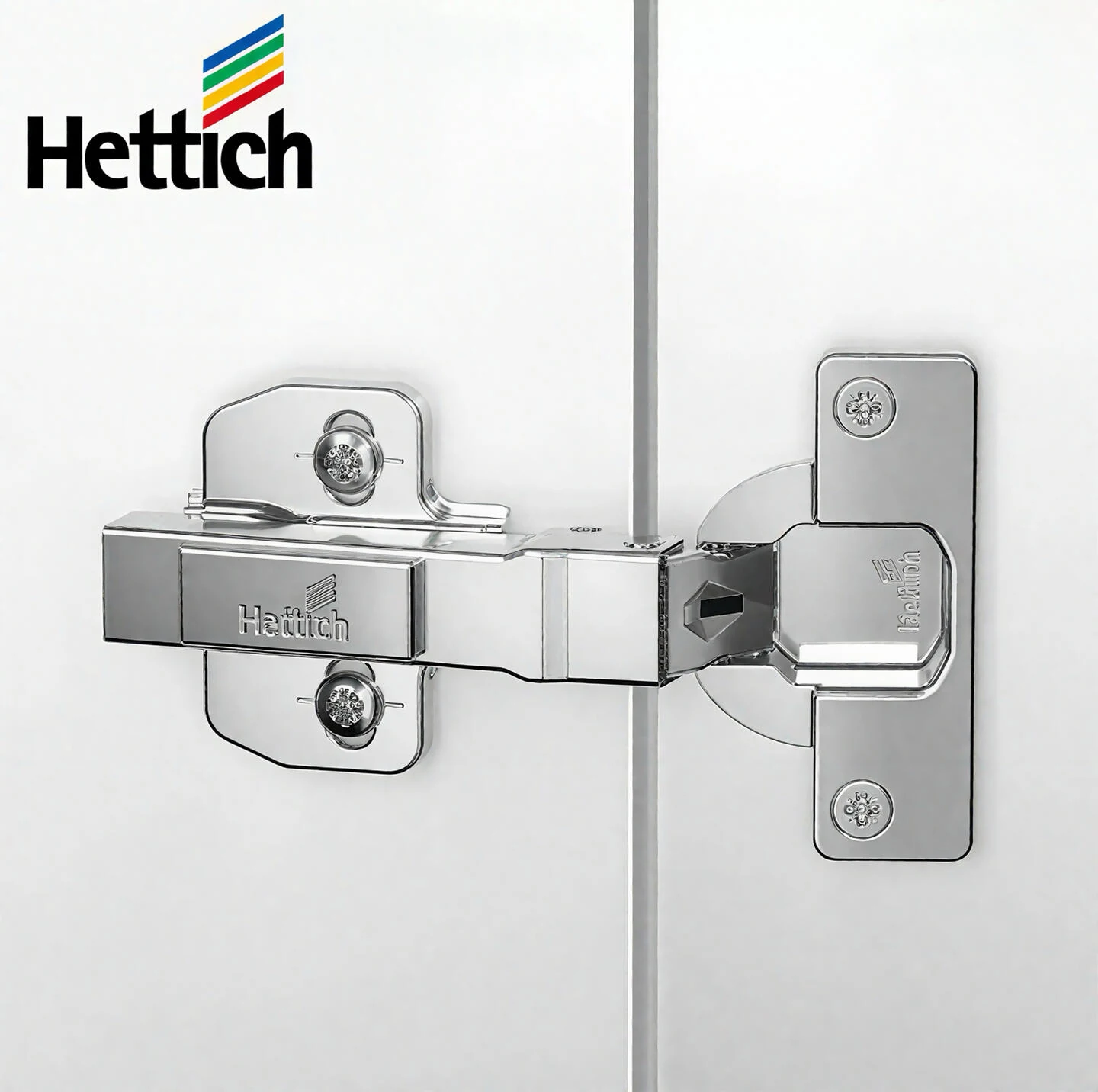
A comparison of raw boards does not establish the capacity of a finished shelf or the durability of a door fixing. Show the shelf span, thickness, supports and intended contents. Identify where screws or fittings connect into a face or an edge, and use the installation instructions for the selected combination. For a heavy or unusually large front, include its dimensions and estimated finished weight in the hardware review. Ask for evidence applicable to that assembly rather than accepting “strong plywood” or “high-density MDF” as a complete answer.
Make the comparison component by component.
Suppose Proposal A says “plywood cabinets” and Proposal B says “MDF cabinets”. Neither is detailed enough. Ask both to list sides, shelves, backs, doors and exposed ends, with the product, thickness, face, edge and fittings for each. Then compare the same finish and storage scope. Request actual panel or finished-component weights where handling or freight matters; generic sheet weights can describe different products. Keep material cost, fabrication, finishing, hardware and packing visible in the quotation so a lower price can be traced to a specific choice.
- Before approval
- Keep the panel reference, representative sample, component schedule and drawing revision together.
- If a material changes
- Identify the affected components and review finish, dimensions, fixings and supporting documents before accepting the substitution.
Common specification questions.
Is MDF automatically a low-quality cabinet material?
No. MDF is a material family used for several furniture applications. Evaluate the exact product, component design, finish and conditions of use instead of assigning quality from the family name.
Is plywood automatically waterproof?
No. The word does not establish the water performance of a finished cabinet. Check the exact panel specification and the treatment of edges, joints and openings.
Can a plywood box have MDF doors?
The box and doors can be specified separately. A mixed-material proposal should identify each component clearly, including its finish, hardware connections and applicable product information.
Does a wood veneer prove there is plywood underneath?
No. Veneer is the decorative wood layer. It can be used over different substrates, so the core must be named separately.
Should I choose by price or by weight?
Treat both as project inputs. Compare like-for-like components, actual weights and the complete quotation. A generic material label cannot predict freight cost, finish quality or the suitability of the finished cabinet.
Ask for a specification you can compare.
Share the cabinet components, finish references and room conditions that matter to your project. Include any mandatory panel requirements in the brief.
Start a project briefExplore all resources →