Veneer vs. Laminate vs. Thermofoil.
A wood-looking door might have a real wood face, a printed decorative surface or a formed film. A smooth colored door can be equally ambiguous. For a useful comparison, identify the face, core, edges and reverse, then assess the proposed door in its intended location. The material name is the beginning of that conversation.
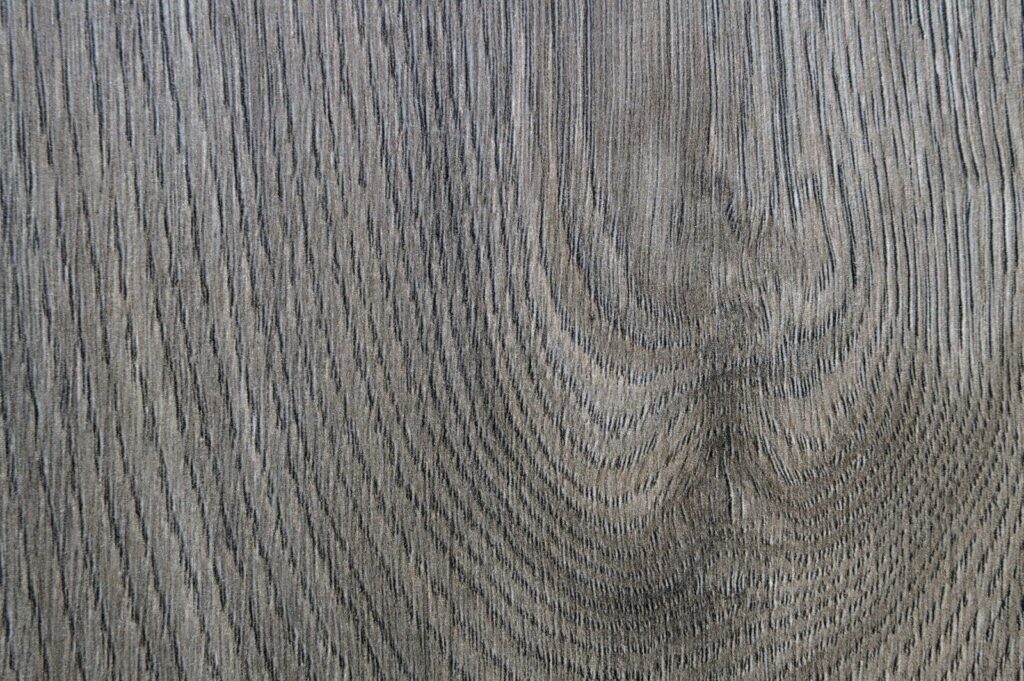
Three names, different constructions.
Wood veneer is a thin layer of real wood. Its species, cut and matching arrangement influence the appearance; the supporting panel and coating complete the door specification. Columbia Forest Products explains veneer and matching methods, including arrangements that produce different grain relationships across a panel.
Laminate needs a more precise name. High-pressure laminate, or HPL, is a manufactured sheet made from resin-treated papers, subsequently bonded to a supporting panel. Thermally fused laminate, or TFL, uses resin-impregnated decorative paper fused directly to its substrate. Wilsonart’s technical explanation distinguishes these constructions. Ask which one a quote means, along with its product reference and core.
Thermofoil, also called rigid thermofoil or RTF, commonly uses a thermally formed film over a routed MDF door. WalzCraft describes vinyl applied with heat and pressure around the face and sides. The back is specified separately. Film forming can follow a profile as well as a plain front.

Separate the surface image from the assembly.
A veneer illustration makes the idea of a surface layer easy to understand. A finished room shows how that surface direction works beside plain fronts and a textured display backing. Those are two different kinds of evidence: one explains the material category, and the other explains a design composition. A look alone cannot distinguish natural veneer, a printed wood effect or a wrapped front.

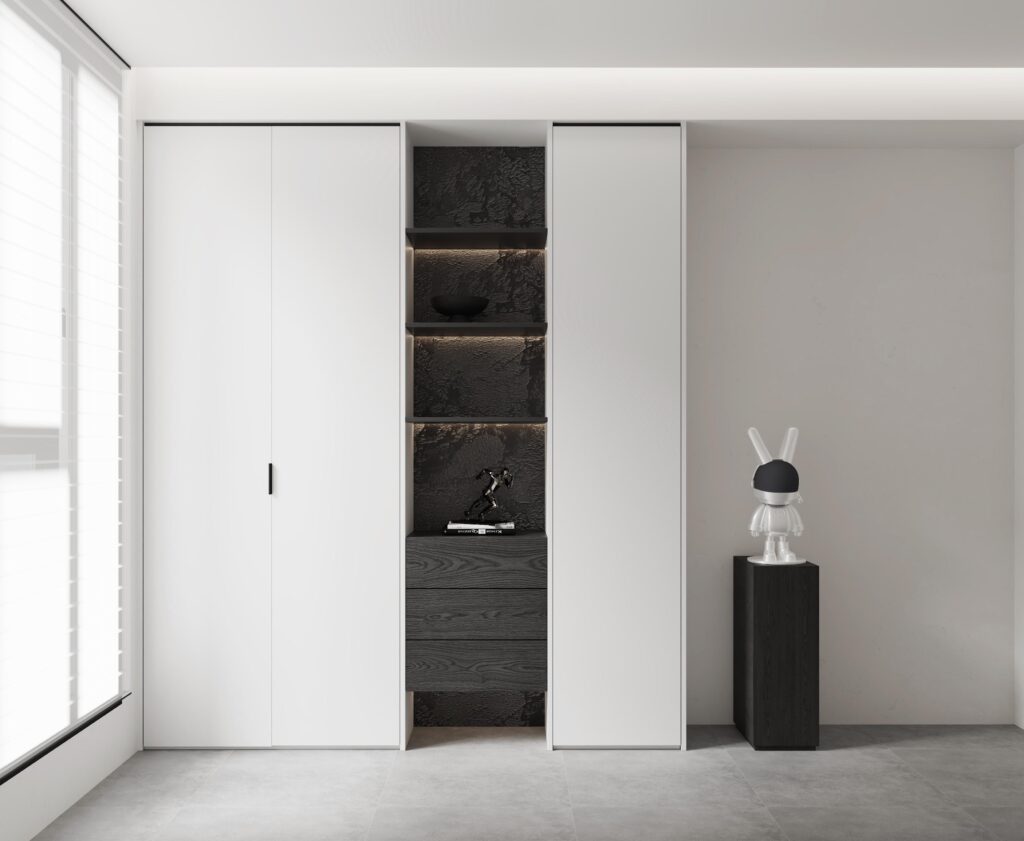
Supplier catalog illustration and design reference. The first image is an illustration of veneer; the second is used only to explain surface composition, not to identify a specific material system.
Ask questions the material label cannot answer.
There is no useful universal winner across these categories. Compare identified products intended for the same application, with the same door sizes and an equally clear description of their construction.
Species, cut, variation and matching across fronts.
Decor code, texture, sheen and pattern repetition.
Film code, sheen and how texture follows the profile.
Core, veneer, coating, edges and reverse.
Exact laminate type, substrate, face, edge and reverse.
Film, routed core, formed edges and backing.
Grain sequence, finish and exposed edge treatment.
Face-to-edge match, corners and the feel of the texture.
Profile definition, corners and where the film meets the back.
How a new face would relate to the original grain and color.
How the decor, texture and edging are identified for reorder.
How the film, profile and backing are identified for reorder.
Review heat and moisture at the assembly level.
Mark the sink, dishwasher, oven and countertop appliances on the plan. Ask the door supplier for the intended application, care guidance and any installation limitations. Compare those requirements with the appliance instructions. A surface description alone should not be used to approve an entire cabinet for a wet or heat-exposed location.
For thermofoil, appliance heat deserves specific attention. WalzCraft’s RTF guidance flags placement beside high-heat sources and advises consultation about protection. Use the current requirements for the actual door and appliance; do not transfer a temperature limit or clearance from an unrelated product.
For every proposal, inspect edges, back-face transitions and fixing penetrations. Ask how those details are handled in the finished component, rather than relying only on a flat surface swatch.

Compare the same things under the same light.
Place the samples together with the countertop, floor and wall references. View them vertically and from normal standing positions. Then compare the sheen and texture at an angle. Handle the samples and follow the proposed cleaning instructions; an aggressive scratch test cannot establish how a door will perform in ordinary use.
For veneer, request enough material to discuss acceptable variation and the relationship between adjacent fronts. A small square cannot represent an entire wood elevation. For printed surfaces, inspect a larger area for pattern scale and repetition. For thermofoil, use a profiled sample so that the form and edge transition are part of the assessment.
Label each approved sample with its product reference and revision. Keep the approval tied to the specified assembly, including the reverse and edges.
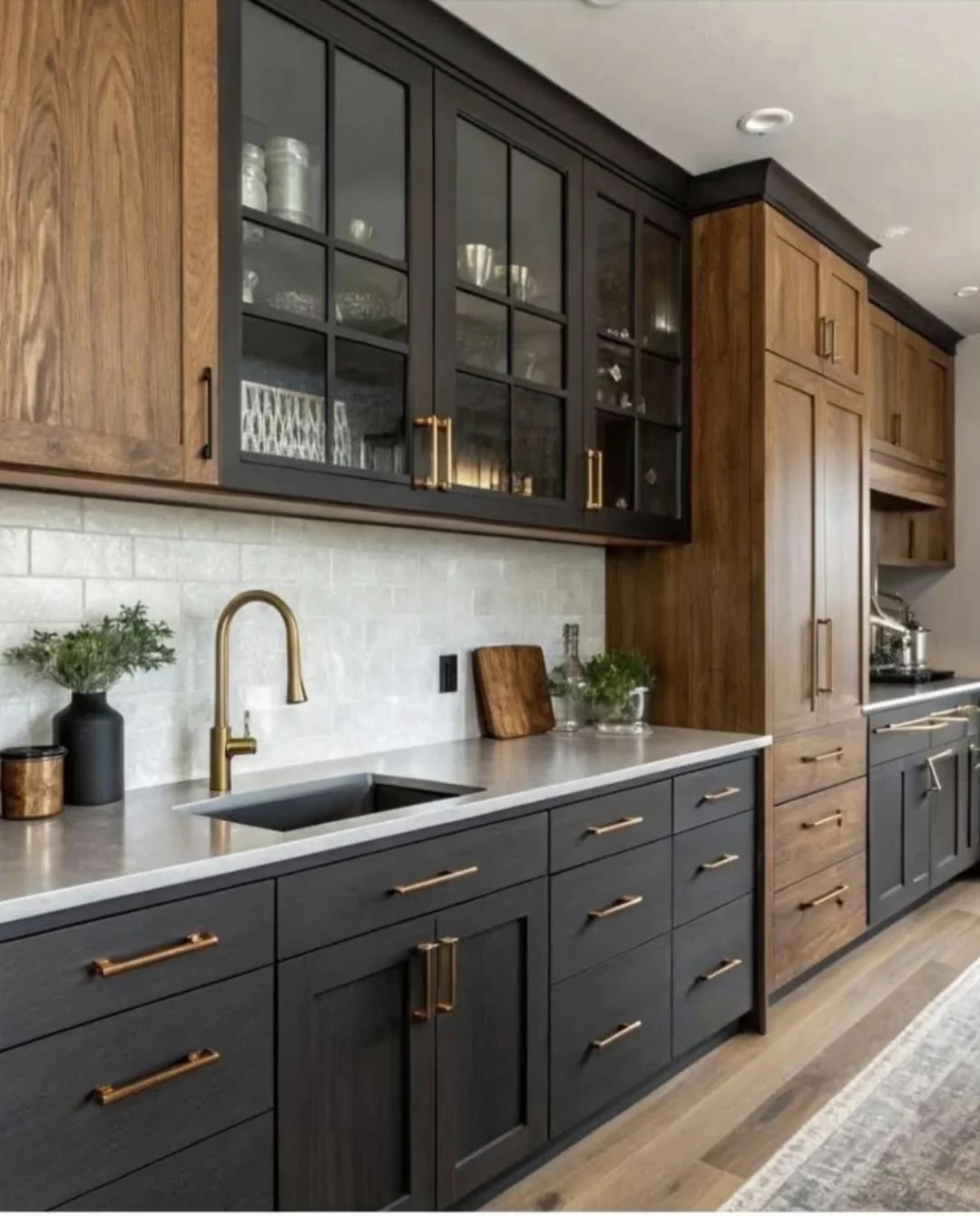
Ask what happens after a front is damaged.
Discuss repair and replacement before placing the order. For veneer, ask whether the proposed coating and veneer thickness permit the contemplated repair; do not assume every veneered front can be repeatedly sanded and refinished. For laminate and thermofoil, ask which damage can be addressed locally and when a replacement front is the recommended route.
Record the information needed for a later order: finished size, profile, edge, hinge drilling, surface code, texture and color reference. Ask whether a replacement can be matched individually or whether neighboring fronts may need review. A retained sample helps the discussion, but the supplier should explain what matching is achievable.

Turn a finish choice into a door specification.
Request quotations against one schedule. Identify the substrate, visible face, coating where applicable, edge or wrap, reverse, dimensions and hardware preparation. Ask for the exact product information behind any wear, stain, moisture or heat claim and check that it applies to the proposed component. Specify the records needed for inspection and any agreed acceptance sample.
Keep material alternatives visible in the comparison instead of allowing silent substitutions. A proposal to change the core, film, edging or coating should identify the affected doors and present the revised sample or description. For related preparation, see cabinet substrates, wood veneer and edge details.
Clarify the language before comparing prices.
Is a wood-grain laminate the same as wood veneer?
No. The visual pattern may suggest wood, while veneer contains a real wood face. Confirm the actual material rather than identifying it from a photograph.
Is MDF an alternative to laminate?
They describe different layers. MDF can be the supporting core while laminate forms the decorative face. Ask for both parts of the assembly.
Which option should I choose?
Shortlist complete products that suit the desired profile, appearance, location and budget. Compare identified samples, care requirements and replacement arrangements before deciding.
Prepare a material comparison for your project.
Share the room, door profile, reference images and the priorities behind your shortlist. Include the appliance locations and finish expectations so the discussion addresses the complete door.