
Define what “handleless” means in the proposal
Ask how each front is opened. A continuous rail provides a place for the fingers behind the front. A shaped front edge creates another grip. A mechanical or powered opening system releases or moves the front through a selected mechanism. The quiet elevation can conceal very different assemblies.
Make an opening schedule for base units, wall cabinets, tall doors and drawers. One kitchen may need more than one approach. Identify the exceptions clearly, including integrated appliances and any door that needs a different fitting. A rendering without visible handles should not be treated as a complete hardware specification.
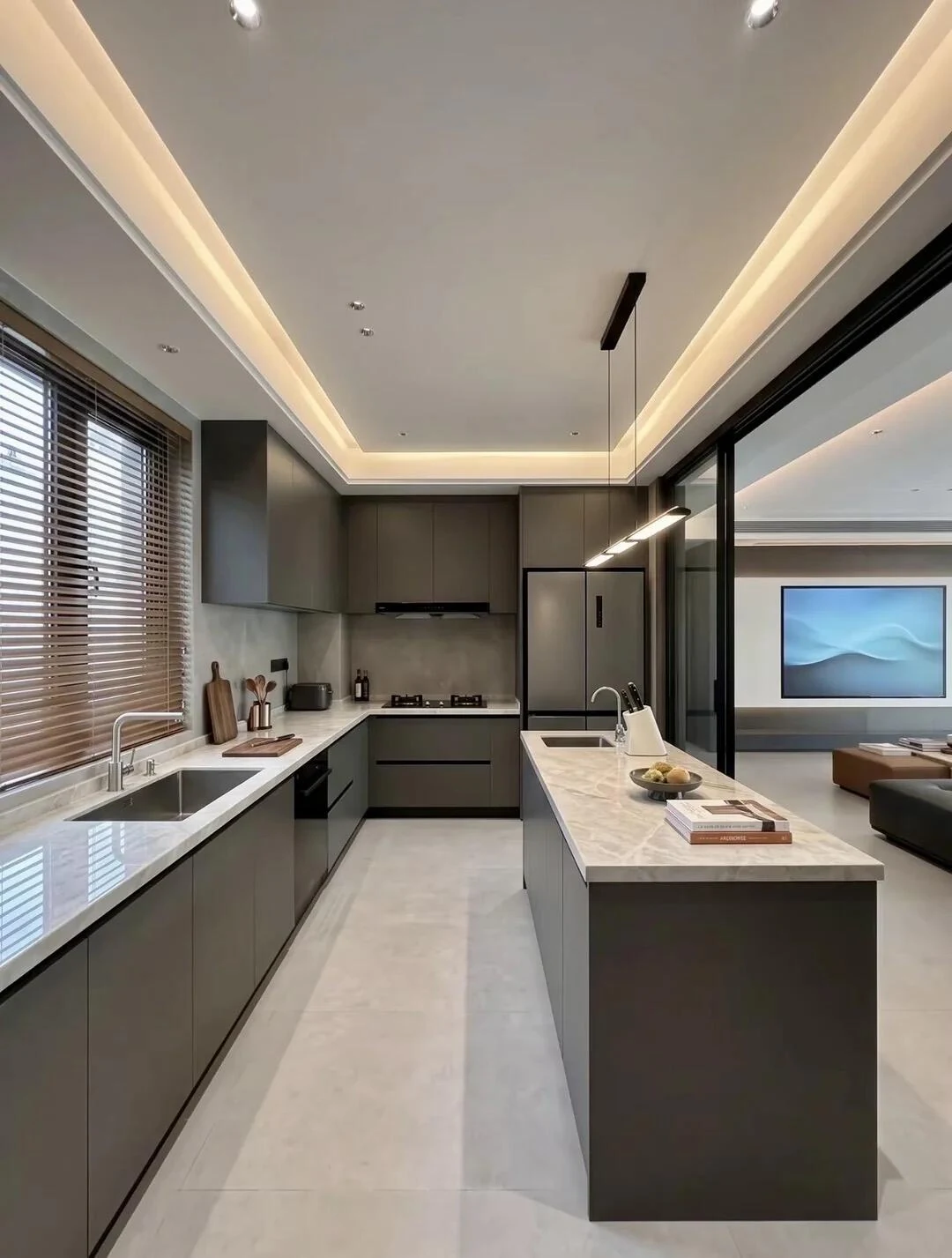
Test finger access and everyday movement
Operate a representative front with the actual profile or rail. Check the grip, opening force and the position of the user's hand. Consider wet hands, long nails or other everyday conditions relevant to the household. A narrow shadow line that looks elegant in a photograph may not provide the access the user expects.
Try tall doors as well as drawers and smaller fronts. Where accessibility or reduced strength is important, involve the appropriate designer and review the proposed mechanism with the intended user. Keep the accepted sample or mock-up reference so later substitutions can be assessed against the same opening experience.

Coordinate the rail, interior and front construction
A rail or shaped opening detail occupies space and affects the section. Show its junction with the countertop, end panel and adjacent front. Confirm the front thickness, edge construction and finish suitability for the intended grip. The cabinet interior should be drawn around the selected system rather than adjusted after manufacture.
Check drawer boxes, internal pull-outs and appliance fronts at the same time. At a corner, a rail can meet another run or change direction. At an exposed end, its termination becomes part of the visible design. Resolve these locations in sections and detail drawings before approving an apparently uninterrupted line.
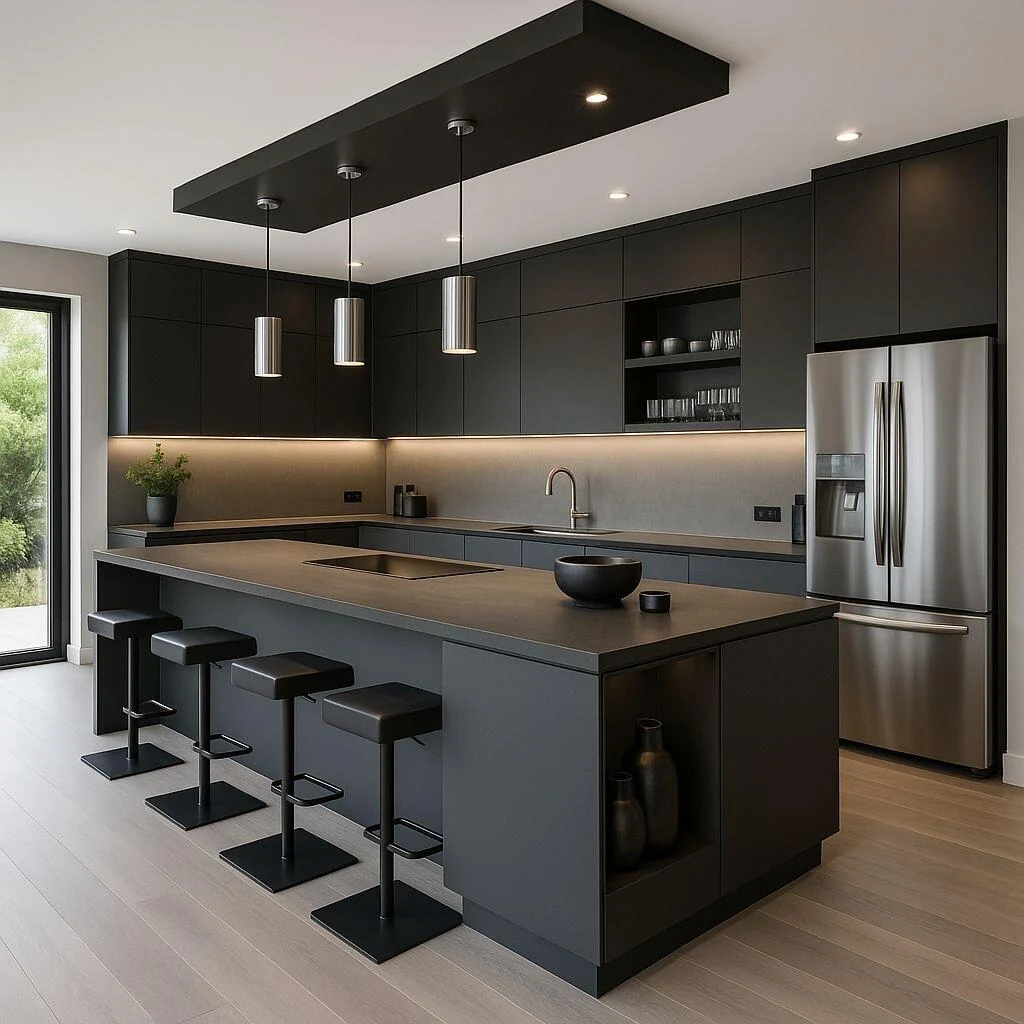
Treat push-to-open as a compatible assembly
Ask for the complete selected fitting combination, including any closing function and required accessories. Soft closing does not by itself establish compatibility with a push-opening mechanism. Hinges, slides, catches and front construction should be reviewed against the chosen manufacturer's information.
Discuss accidental activation, the intended touch position and how a user closes the front normally. If a powered system is proposed, identify the relevant service, installation and maintenance requirements with the appropriate local trade. Do not assume that the absence of a handle means there are no additional components to coordinate or replace.
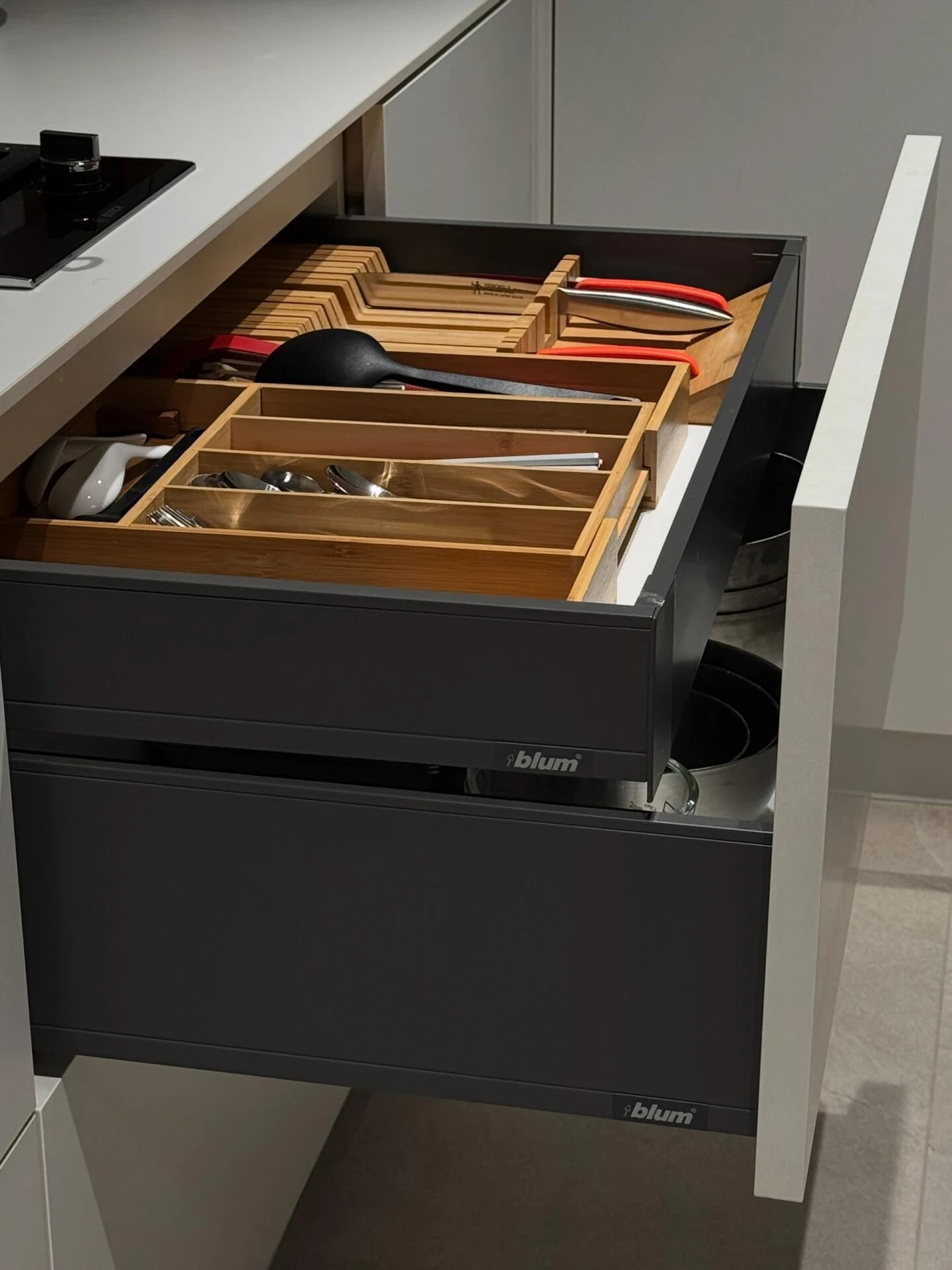
Check appliances and adjacent surfaces
Panel-ready dishwashers and refrigerators have model-specific requirements. The cabinet's opening line must work with the appliance's front movement, panel construction and installation instructions. A continuous elevation should not conceal an unresolved clash at the toe kick, rail or adjacent door.
Review cleaning access at recessed profiles and the finish where hands regularly touch. Examine the rail color or coating beside the fronts under the room lighting. See panel-ready appliance cabinets for the model information to coordinate and matte versus gloss fronts for the surface review.

Approve the full composition and service record
Walk through a complete sample sequence: open a drawer, reach an internal shelf, operate a tall door and close each front. Review the reveal lines and nearby fronts in both open and closed positions. Identify any location where the system changes and make that transition explicit on the drawing.
Retain the hardware references, adjustment instructions and agreed replacement route. Record who installs the mechanism and who resolves an operating fault after delivery. A successful handleless kitchen combines the calm elevation with comfortable access and an understandable service arrangement. The hardware guide connects these decisions to the wider fitting schedule.
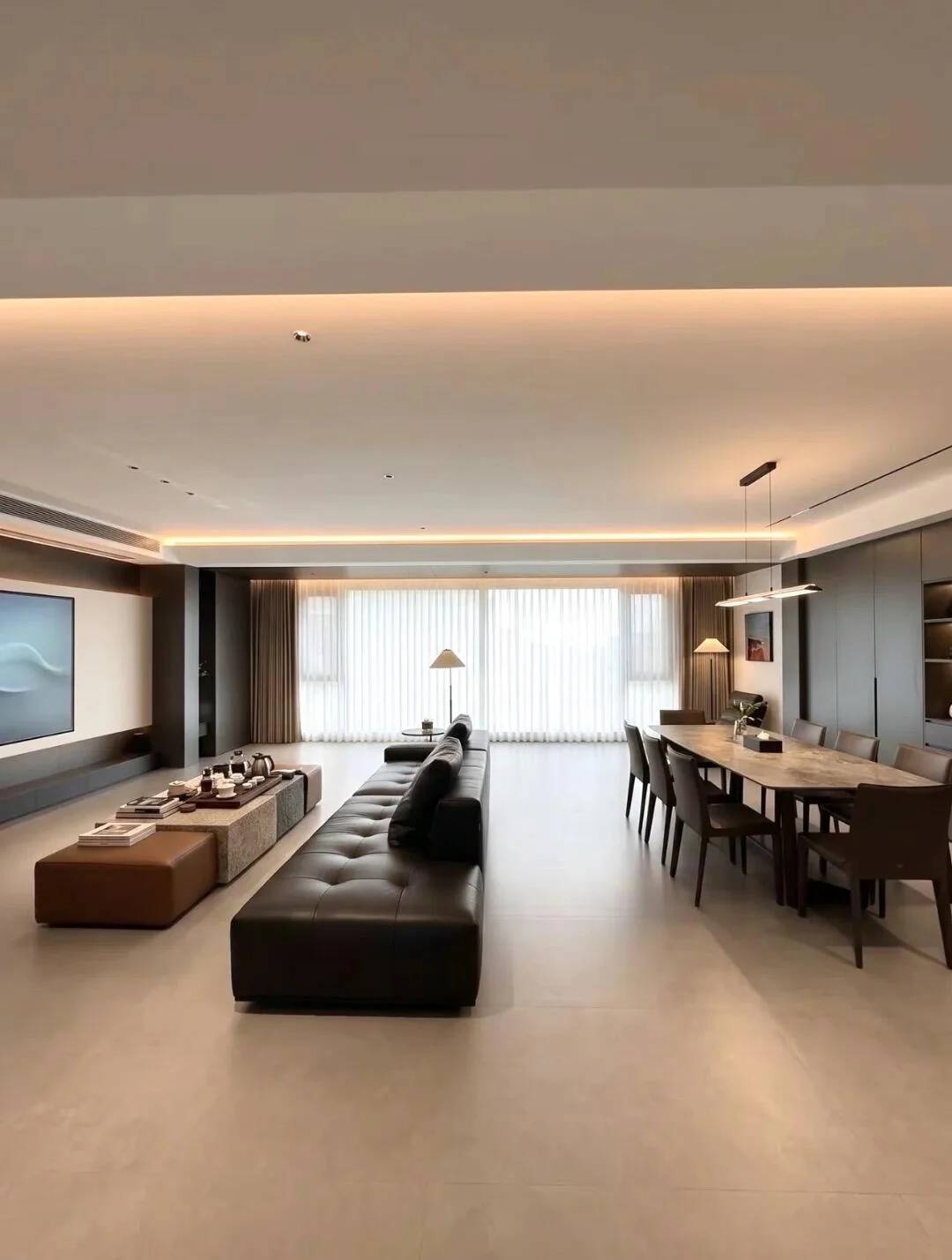
Questions before approval
Is a recessed rail the same as push-to-open?
A rail provides finger access; push-to-open uses a selected release or opening mechanism. Confirm the actual method on each type of cabinet.
Can every appliance use the same handleless detail?
Check the specific appliance's installation and front requirements. The panel, opening movement, toe kick and surrounding cabinetry need a coordinated solution.
Does handleless mean less maintenance?
Maintenance depends on the selected profiles, surfaces and mechanisms. Review cleaning and service access for the actual system rather than assuming an empty-looking elevation has fewer requirements.