
A price without a comparable scope
An attractive total cannot tell you whether the proposal includes the same cabinets, exposed panels, fittings or delivery service as another quote. Ask which drawing issue and cabinet schedule it prices. Identify exclusions, allowances and provisional entries beside the affected items instead of treating an empty field as included.
Be cautious when a supplier cannot explain a material difference between the image, drawing and quotation. Resolve the mismatch in the written proposal. Our quote comparison guide provides a method for aligning the scope before comparing totals, without assuming that a high or low price alone proves quality.

Vague materials and impressive-sounding labels
Terms such as “premium board,” “all wood” or “eco material” leave important questions open. Ask which components they describe and what product evidence supports the entry. The carcass, back, shelf, front and edge should not disappear behind a single broad label.
For emissions or destination requirements, request the relevant documentation and have it checked for the actual product and supply chain. Do not infer compliance from a color, surface name or unrelated certificate. If evidence remains unavailable, keep that limitation visible and resolve the requirement before treating the product as suitable for the project.

Brand names without a fitting schedule
A quotation can name a familiar hardware brand while leaving the series, application and included accessories undefined. Ask for the actual fittings linked to the cabinet references. Check whether organizers, internal drawers and corner mechanisms visible in images are included or merely shown as examples.
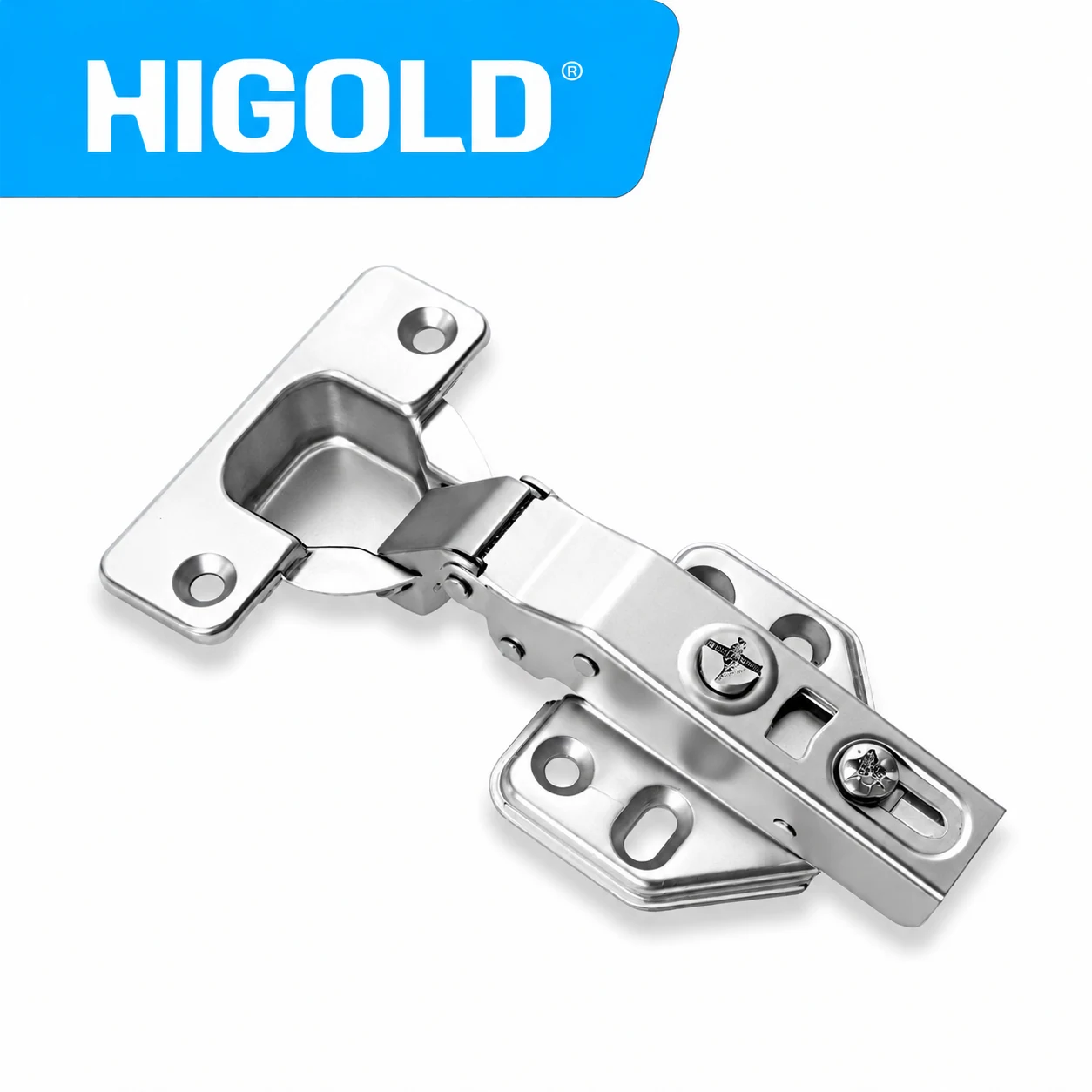
Ask how substitutions are reviewed. A different hinge or slide may affect drilling, geometry, front movement or replacement information. A change should be explained and approved through the project record. Read hinges and drawer slides to see why the complete assembly matters more than a logo alone.
Production release with unresolved information
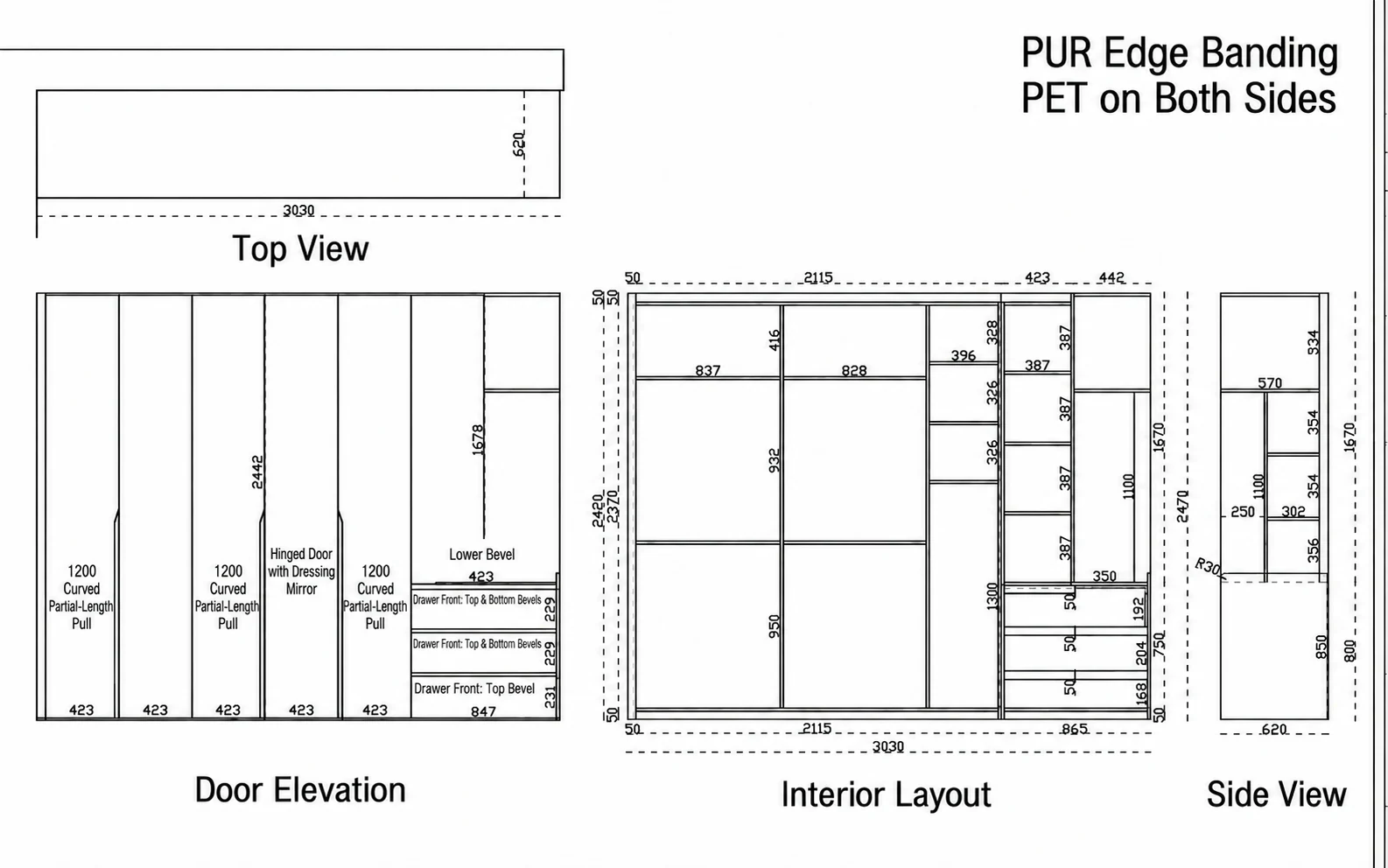
Check who verifies the site, coordinates appliances and approves the drawings. If a room dimension, front sample or service position remains provisional, identify the effect on production and the person responsible for closing it. A promise to “adjust everything on site” is not a detailed response to a known design conflict.
Keep revision control visible. The signed drawing, accepted sample and quotation should describe the same scope. When a change occurs, confirm the affected cost, schedule and construction before releasing it. This protects both customer and supplier from working to different assumptions. Our measurement guide explains what a useful room record should contain.
Unclear commercial and delivery responsibilities
Ask for the project-specific payment stages, lead-time basis, delivery scope and written warranty terms. Do not fill gaps using a social post or another customer's order. Identify what starts the production schedule and what happens if approvals, site readiness or freight arrangements change.
For an overseas order, establish the responsibility for packing, transport, current destination charges, unloading, local storage and installation. Ask how damage, shortages and service issues are recorded and handled. A supplier's willingness to answer clearly is more useful than a generic assurance that everything is included.

Replace suspicion with a decision record
Create an open-items register with a question, cabinet or room reference, responsible party and required answer. Request evidence proportionate to the decision: a product sheet for a fitting, a sample for a finish, a revised section for a junction or a written scope for delivery. Avoid relying on a long informal message thread.
| Open item | A useful closure |
|---|---|
| Undefined component | Named construction and product information |
| Unselected fitting | Agreed system, accessories and cabinet references |
| Unverified dimension | Checked survey and approved drawing revision |
| Unclear service boundary | Written responsibility and included scope |
| Uncertain commercial term | Project-specific written agreement |
Use the cabinet quote template to start the record. A resolved question should leave the next person with an answer they can use, inspect or approve.
Questions before approval
Does a low quote automatically mean a bad supplier?
First align the scope and evidence. Differences in materials, quantities, accessories and service boundaries can explain part of the price difference and should be made explicit.
Should I accept a certificate with a familiar logo?
Check that the document is relevant to the actual product, supplier chain and destination requirement. Have the appropriate qualified adviser review uncertain compliance questions.
What if the supplier cannot answer an important question yet?
Keep the item provisional, identify the decision owner and agree how it affects the next commitment. Do not silently convert an unanswered question into an assumed inclusion.